Published: 9 Jul 2026 | Updated: 3 Sept 2026


Roulette's rise to prominence was shaped not only by its innovative design but also by the people who embraced it.
During the 18th and 19th centuries, members of the French aristocracy helped transform roulette from an emerging table game into a fashionable pastime associated with prestige and refinement.
At Prime Casino, exploring this history offers a fascinating look at how elite society contributed to the development of one of the world's best-known live casino games.
In this guide, you'll learn:
- How French aristocrats helped popularise roulette
- The role of aristocratic salons and private clubs
- How diplomatic travel spread the game across Europe
- The influence of elite tastes on roulette's design
- How French traditions shaped modern roulette
- Why roulette's legacy continues today
Roulette Finds a Place Among French High Society
Roulette first gained momentum in France during the 18th century, where it became increasingly popular among wealthy families and members of the aristocracy. Elegant gaming rooms provided an ideal setting for social gatherings, and roulette quickly became one of the activities enjoyed during these occasions.
Its combination of a distinctive spinning wheel and straightforward gameplay appealed to fashionable society, helping the game build a reputation that extended well beyond Paris.
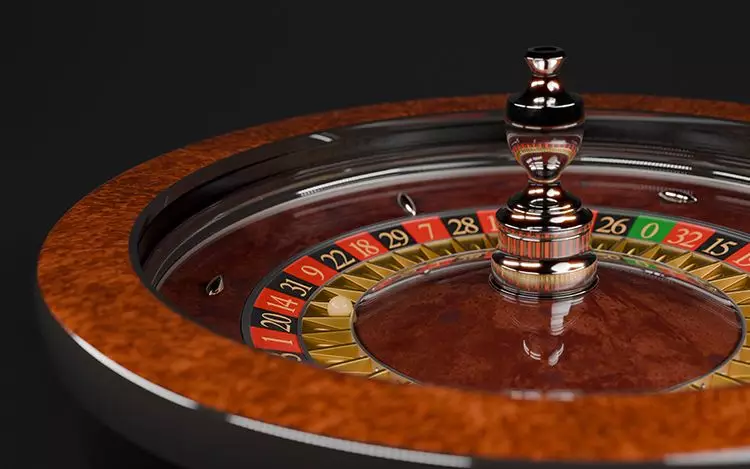
Aristocratic Salons and Private Clubs
French salons were among the most influential social institutions of the period. Hosted by aristocratic families, these gatherings brought together politicians, diplomats, writers and members of high society to exchange ideas, enjoy entertainment and strengthen social connections.
While salons were primarily centres of conversation and culture, private gaming formed part of elite social life. Roulette became one of the games associated with these exclusive circles, where its elegant presentation matched the refined atmosphere that aristocratic hosts sought to create.
Private clubs also provided controlled environments where members of the upper classes could enjoy leisure activities, helping roulette establish itself as a respected social pastime rather than simply a public gambling game.
Elite Trends Helped Shape Roulette
As roulette became fashionable among influential social circles, expectations around presentation also evolved.
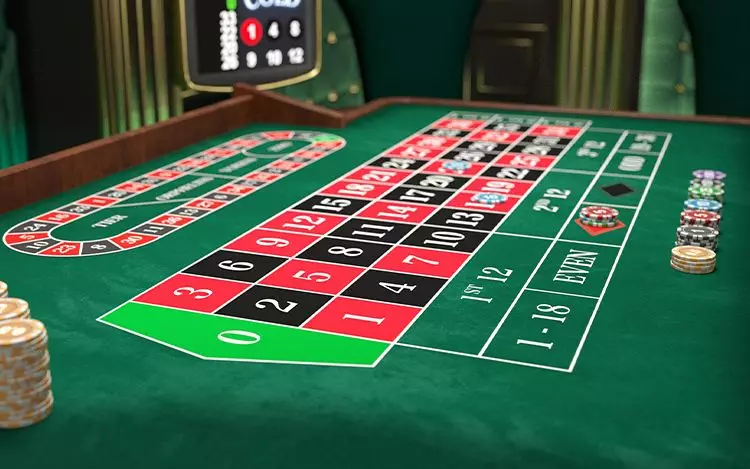
Elegant gaming tables, carefully designed wheels and organised betting layouts reflected the tastes of wealthy patrons. Over time, these preferences encouraged greater consistency in the game's appearance, helping create many of the visual features still recognised today.
The association with aristocratic society also gave roulette an image of sophistication that distinguished it from many other games of the era.
|
Understanding roulette's history can make exploring different game variants even more interesting. While the presentation has changed over the centuries, every roulette spin remains completely independent and determined by chance. |
Diplomatic Travel Spread Roulette Across Europe
French aristocrats frequently travelled throughout Europe for diplomacy, business and social events. Along with art, fashion and cultural traditions, they introduced popular leisure activities to new audiences.
As influential visitors arrived in major European cities, roulette gradually gained recognition beyond France. This helped establish the game across continental Europe long before it became a global casino favourite.
The growing popularity of roulette among Europe's upper classes encouraged more casinos to include the game, laying the foundations for its international expansion.
Influencing Modern Roulette Rules
Although aristocrats did not create roulette's rules, their support encouraged continued refinement of the game.
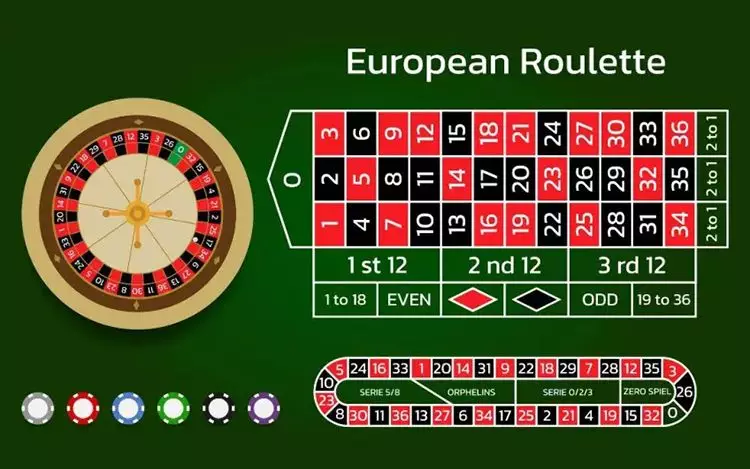
As roulette attracted larger audiences, casino operators introduced improvements that enhanced consistency and player experience. During the 19th century, the introduction of the single-zero wheel became one of the most significant milestones in roulette's development and later became closely associated with French and European Roulette.
These developments helped establish the familiar layouts and traditions that continue to influence modern roulette.
A Lasting Cultural Legacy
The influence of French aristocracy extended beyond gameplay.
Roulette became associated with elegance, formal dress and sophisticated surroundings, creating an image that continues to inspire modern casino design. Many live casino roulette tables still reflect these traditions through professional presentation, classic table layouts and refined gaming environments.
While today's online and live casino experiences rely on modern technology, they continue to preserve many of the visual and cultural elements established during roulette's early years.
The Legacy of Elite Influence
French aristocrats played a significant role in transforming roulette into an internationally recognised casino game. Their support through salons, private clubs and international travel helped spread the game's popularity while encouraging refinements that shaped its modern appearance. At Prime Casino, understanding this history offers a greater appreciation of how cultural influences contributed to roulette's enduring appeal.
Although roulette has evolved alongside new technology, its foundations remain firmly rooted in centuries of history. Whether played online or through a live dealer, every spin continues to be governed by chance, making responsible gambling an essential part of the experience.
|
Roulette should always be approached as a form of entertainment rather than a way to make money. Decide on personal spending and time limits before playing, stick to your budget and remember that outcomes are random. Taking a balanced approach helps keep gaming enjoyable and responsible. |
FAQ
Why were French aristocrats important to roulette's history?
Their enthusiasm for the game helped make roulette fashionable among Europe's upper classes, increasing its popularity and supporting its spread across the continent.
What role did French salons play?
Salons brought together influential members of society for conversation, culture and social activities. These gatherings helped strengthen roulette's reputation as a prestigious pastime.
Did aristocrats create the rules of roulette?
No. However, the game's popularity among elite society encouraged refinements that contributed to the standardised layouts and rules recognised today.
Does this history affect modern roulette?
The historical influence is reflected mainly in the game's presentation, traditions and variants. Modern roulette remains a game of chance, and every spin is independent of previous results.