Published: 8 Jul 2026 | Updated: 3 Sept 2026



French Roulette is widely regarded as the foundation of many modern roulette games.
From its early roots in 17th-century France to its place in today's online and live casinos, the game has undergone centuries of development while preserving its distinctive style and traditions.
At regulated casinos, exploring the evolution of French Roulette offers a deeper appreciation of how one of Europe's most iconic casino games helped shape modern roulette around the world.
In this guide, you'll learn:
- How French Roulette originated
- The key innovations that shaped the game
- How its rules evolved over time
- The cultural influence of French Roulette
- Why it remains important in modern casino gaming
- How its legacy continues in online and live casinos
Early Origins in 17th Century France
The story of French Roulette begins with the scientific experiments of French mathematician Blaise Pascal during the 17th century. While attempting to create a perpetual motion machine, Pascal developed an early wheel mechanism that is widely considered one of the inspirations behind roulette.
Over time, elements of his design combined with existing wheel and betting games to create the early version of roulette that appeared in France during the 18th century.
The word roulette itself means "little wheel" in French, reflecting the game's most recognisable feature.

The Birth of French Roulette
By the late 1700s, roulette had become a popular attraction in Paris gaming houses.
Early versions looked different from today's game, but they already featured the spinning wheel, numbered pockets and betting layout that players still recognise. As the game's popularity grew, casino operators gradually refined both the wheel and the table to improve consistency and gameplay.
Important Rule Innovations
One of the biggest milestones in French Roulette came during the 19th century.
In 1842, French brothers François and Louis Blanc introduced the single zero wheel, reducing the number of house pockets compared with earlier double zero versions. This design became closely associated with French and later European Roulette, helping establish a version of the game that spread throughout much of Europe.
French Roulette also became known for distinctive table rules such as:
- La Partage, which returns half of certain even money bets when the ball lands on zero.
- En Prison, which allows qualifying even money bets to remain in play for the following spin after zero appears.
These rule innovations helped distinguish French Roulette from other variants while preserving the game's traditional character.
|
If you're exploring different roulette variants, take time to understand their table rules before playing. Knowing how each version works can help you make informed choices while remembering that every spin remains a game of chance. |
French Roulette's Cultural Influence
As French Roulette spread across Europe, it became closely associated with elegant casinos and sophisticated gaming rooms.
The game's distinctive French terminology, traditional table layout and classic wheel design contributed to its reputation as one of the most iconic casino games in history.
Its influence extended well beyond France, inspiring the development of European Roulette and helping establish roulette as a staple of casino gaming around the world.
A Lasting Legacy in Modern Casino Gaming
Although casino technology has changed dramatically, French Roulette continues to influence modern roulette games.
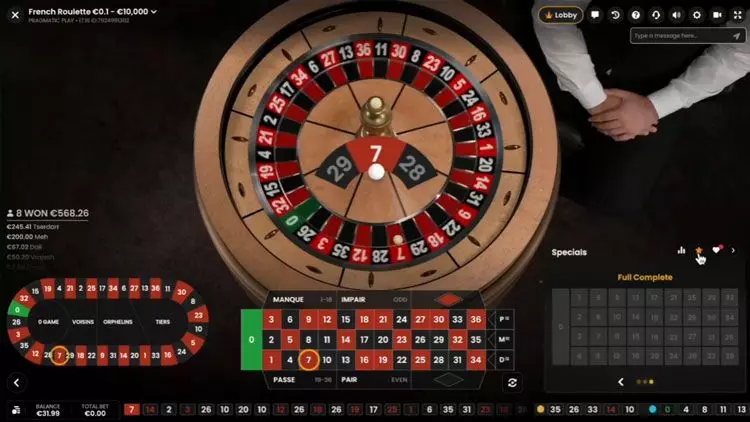
Many online casinos now offer digital versions of French Roulette alongside live dealer tables streamed from professional studios. These modern adaptations preserve many of the game's traditional features while making it accessible to players from almost anywhere.
The move into live casino gaming has also helped recreate the atmosphere of traditional casino tables by combining real dealers with online convenience.
Despite these technological developments, the core principles of French Roulette remain unchanged. Every spin is independent, and each outcome is determined entirely by chance.
How French Roulette Continues to Evolve
Today, French Roulette remains one of the most respected roulette variants because of its rich history and enduring design.
Advances in streaming technology, mobile gaming and interactive casino platforms have introduced the game to new audiences while maintaining its classic presentation.
Although the way players access French Roulette continues to evolve, its historical foundations and distinctive rules remain an important part of its lasting appeal.
A Classic That Continues to Inspire
French Roulette has travelled an extraordinary path from early scientific inspiration to becoming one of the world's most influential casino games. At Prime Casino, understanding its evolution helps players appreciate the innovations that shaped modern roulette while recognising the traditions that continue today.
Whether enjoyed through online platforms or live casino tables, French Roulette remains a timeless game built on centuries of history. While its presentation has evolved, one thing has never changed: every spin is random, and no strategy or system can guarantee a winning outcome.
|
French Roulette should always be enjoyed as entertainment. Set realistic spending and time limits before you begin, never chase losses, and remember that every outcome is determined by chance. Taking a responsible approach helps keep your gaming experience enjoyable and under control. |
FAQ
Who created French Roulette?
French Roulette evolved during the 18th century in France, with its origins linked to earlier wheel experiments by Blaise Pascal and the development of existing wheel games.
What makes French Roulette different?
French Roulette is known for its single zero wheel and traditional rules such as La Partage and En Prison, which distinguish it from several other roulette variants.
How has French Roulette changed over time?
The game evolved through improvements to the wheel, the introduction of distinctive rules, and later through online and live casino technology, making it more widely accessible while preserving its traditional gameplay.
Is French Roulette still popular today?
Yes. French Roulette remains an important part of many online and live casino offerings and continues to influence modern roulette games around the world.