Published: 9 Apr 2026 | Updated: 20 Jul 2026


The live casino experience is designed to bring the atmosphere of a real gaming floor directly to your device. From immersive blackjack tables to real-time roulette and baccarat streams, modern live casinos combine entertainment with advanced technology to create a secure and engaging environment for players.
Behind every live dealer interaction and every online transaction is a sophisticated layer of digital protection working continuously to safeguard player information. Whether you are joining a live table, making a deposit, or managing your account settings – secure technology plays a vital role in protecting your personal and financial data.
As online casino platforms continue to evolve, cybersecurity standards have become increasingly important across the industry. At Prime Casino, data protection measures are designed to support a safer and more reliable gaming experience while helping players enjoy casino entertainment with confidence and control.
What You Will Learn in This Guide:
- What SSL encryption is and how it works
- How online casinos protect player information
- Why secure payment systems matter
- How live casino technology keeps gameplay safe
- The role of UK gambling regulations in player protection
- How account verification and monitoring improve security
- Tips for protecting your own casino account online
- Why responsible gambling and secure gaming go hand in hand
Why Online Casino Security Matters
Every online casino account contains sensitive information, including personal details, payment methods, and gameplay activity. Without proper security systems, this information could be vulnerable to cyber threats or unauthorised access.
That is why licensed online casinos are expected to meet strict technical and operational standards. The UK Gambling Commission requires licensed operators to implement security controls designed to reduce risks for players and protect customer data.
For players, strong security measures create greater confidence when accessing live casino games, making deposits, or interacting with customer support services online.

What is SSL Encryption?
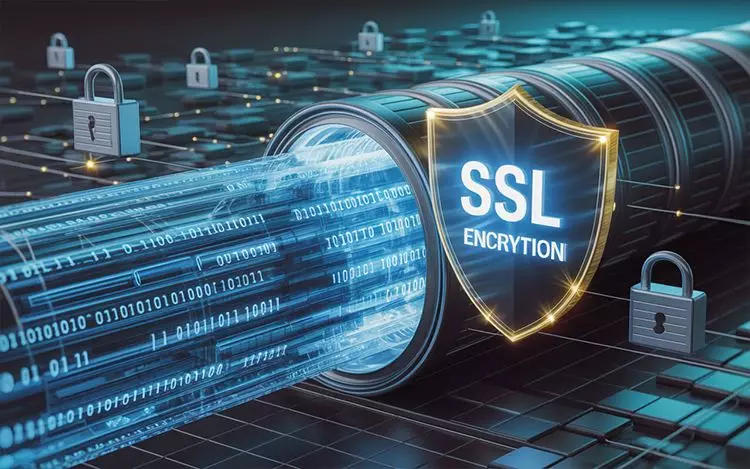
SSL stands for Secure Sockets Layer. It is a form of encryption technology used to protect information transferred between your device and a website.
When SSL encryption is active:
- Personal information becomes unreadable to unauthorised parties
- Payment details are securely transmitted
- Login credentials are protected during account access
- Sensitive data is encrypted while moving across networks
In simple terms, SSL encryption creates a secure connection between the player and the casino platform.
Most secure websites display a padlock symbol beside the web address and use “https” rather than “http”. These indicators help confirm that encrypted protection is active.
SSL technology is widely recognised as an essential security measure for regulated online casinos and digital payment systems.
How SSL Encryption Protects Live Casino Players
Live casino gaming relies on real-time technology. Every action, from placing a bet to streaming a live dealer table, involves continuous data transmission.
SSL encryption helps secure the following:
- Live game connections
- Player account logins
- Chat functions and interactions
- Deposit and withdrawal requests
- Session activity across desktop and mobile devices
Because live casino environments operate continuously and interactively, encrypted protection helps ensure that gameplay remains private and secure throughout the session.
This allows players to focus on the entertainment experience rather than worrying about the safety of their information.
Beyond SSL: Additional Security Measures at Online Casinos
Modern online casinos typically combine SSL encryption with multiple layers of protection.
Secure Payment Processing
Trusted payment providers use encrypted transaction systems to protect financial information during deposits and withdrawals.
This helps reduce risks associated with fraud or unauthorised access.
Account Verification Checks
Identity verification procedures, often referred to as Know Your Customer (KYC) checks, help confirm player identities and support anti-fraud measures.
These checks may include:
- Proof of identity
- Address verification
- Age verification
- Payment method confirmation
KYC procedures are also part of broader regulatory compliance standards within the UK gambling industry.
Fraud Detection Systems
Advanced monitoring systems can identify unusual account behaviour, suspicious login attempts, or irregular transactions.
These tools help operators respond quickly to potential security concerns.
Restricted Access Controls
Sensitive player data is typically stored within protected systems with limited access permissions.
Security frameworks used by licensed operators are often aligned with internationally recognised information security standards such as ISO/IEC 27001.

Live Casino Technology and Fair Play
Security in live casino gaming is not limited to protecting account data. It also includes maintaining fair and transparent gameplay systems.
Licensed operators are expected to meet technical standards covering:
- Live dealer studio security
- Transaction tracking
- Gameplay integrity
- Anti-collusion protections
- Responsible product design
The UK Gambling Commission’s Remote Gambling and Software Technical Standards outline a range of security and operational requirements for remote gambling operators.
These standards are designed to support fair play while protecting customer interests.
How Players Can Help Protect Their Own Accounts
While casinos invest heavily in cybersecurity systems, players also play an important role in account security.
Here are several practical ways to improve your online safety:
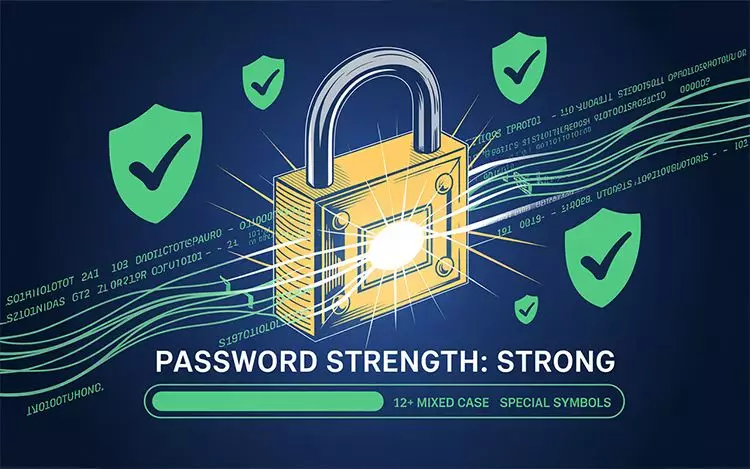
- Use strong and unique passwords
- Avoid sharing login information
- Enable two-factor authentication where available
- Avoid public Wi-Fi for financial transactions
- Monitor account activity regularly
- Log out after each session on shared devices
Developing safe online habits can significantly reduce the risk of unauthorised access.
Responsible Gambling and Digital Safety
Security and responsible gambling often work together. Features designed to protect player wellbeing also help create a safer digital environment.
Responsible gambling tools may include the following:
- Deposit limits
- Session reminders
- Account cooling-off periods
- Self-exclusion options
- Transaction history reviews
At operators such as Prime Casino, these tools support better awareness and encourage more controlled gaming behaviour.
Players should always remember that casino games are forms of entertainment and outcomes are based on chance. Winning can never be guaranteed.
Playing with Assurance at Prime Casino
Modern online casino platforms such as Prime Casino rely on advanced security systems to help protect player information, transactions, and gameplay activity. From SSL encryption to secure payment processing and account verification procedures – these technologies work together to create a safer gaming environment.
For live casino players, strong security measures help maintain confidence throughout every session, allowing the focus to remain on entertainment and responsible play.
The safest online gaming experiences combine trusted technology, licensed regulation, and informed player habits. By understanding how casino security works, players can enjoy online gaming with greater awareness and peace of mind.
FAQ
What does SSL encryption do at an online casino?
SSL encryption protects data transferred between your device and the casino website, helping secure personal details, passwords, and payment information.
How can I tell if a casino website is secure?
Secure websites usually display a padlock icon beside the web address and use “https” instead of “http”.
Why do casinos ask for identity verification documents?
Identity verification helps prevent fraud, supports age verification requirements, and ensures compliance with UK gambling regulations.
Are UK-licensed casinos required to protect player data?
Yes. UK-licensed operators must meet technical and security standards designed to protect customer information and reduce unnecessary security risks.