Published: 10 Jul 2026 | Updated: 4 Sept 2026



The Industrial Revolution transformed industries across Europe, changing how products were made, transported and enjoyed by society. These advances also influenced casino gaming, including the evolution of roulette. Improvements in manufacturing, transport and urban development helped roulette become more consistent, widely available and recognised around the world.
When playing at licensed online casinos, understanding this period reveals how technological progress shaped the roulette game we know today, while reminding us that roulette has always remained a game of chance.
In this guide, you'll learn:
- How manufacturing improved roulette equipment
- Why industrial production made roulette more accessible
- How transport networks expanded the game's reach
- How growing cities influenced casino development
- Why some roulette rules evolved during this period
- How these changes still influence modern roulette
Precision Manufacturing Improved Roulette
One of the biggest effects of the Industrial Revolution was the ability to manufacture equipment with greater accuracy.
Advances in metalworking, machine tools and precision engineering enabled craftsmen and manufacturers to produce roulette wheels with improved balance and consistency. Better machining techniques reduced variations between wheels and made it easier to produce reliable casino equipment on a larger scale. These developments reflected broader industrial advances, where precision manufacturing became increasingly important across many industries.
Improved construction enhanced the quality of roulette equipment without changing the game's fundamental rules or the role of chance.

Faster and More Affordable Production
Before industrialisation, roulette wheels and tables were largely handcrafted by skilled artisans, making them expensive and time-consuming to produce.
As manufacturing methods became more efficient, production costs gradually fell and equipment could be built more quickly. Casinos could obtain standardised tables and wheels more easily, helping roulette spread to a greater number of gaming venues across Europe and later other parts of the world.
This increased availability supported roulette's growth without altering its basic gameplay.
Transport Networks Expanded Roulette's Reach
The Industrial Revolution also transformed transportation.
The expansion of railways, canals and steam-powered shipping allowed goods to move farther and faster than before. Improved transport meant roulette wheels, tables and other gaming equipment could be delivered more efficiently between cities and countries. These same networks also encouraged tourism and business travel, helping casino destinations attract larger numbers of visitors.
As roulette reached new regions, local adaptations emerged while the game's core mechanics remained consistent.
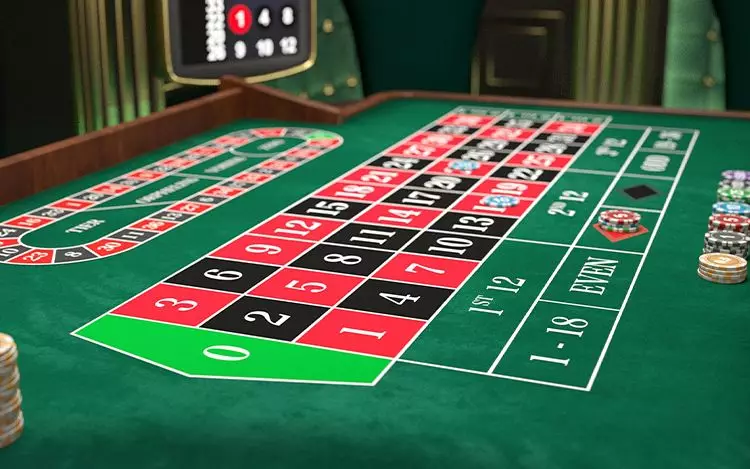
|
Exploring roulette's history helps explain why different variants developed in different regions. Whatever version you choose, remember that every spin is independent and no historical development changes the random nature of the game. |
Urban Growth Encouraged Professional Casinos
Industrialisation led to rapid urban growth as more people moved into expanding cities.
With growing populations came increased demand for leisure activities, including organised entertainment venues. Casinos became more structured businesses, placing greater emphasis on consistent equipment, trained staff and clearly organised table layouts.
This professional approach helped establish roulette as one of the most recognisable table games in regulated casino environments.
Rule Changes Reflected Changing Casino Markets
The 19th century also saw important developments in roulette itself.
In 1842, François and Louis Blanc introduced the single zero wheel at Bad Homburg. The revised design helped distinguish European roulette from the double-zero version that continued to develop in the United States. As casinos competed for visitors, consistent rules and recognisable game formats became increasingly valuable for operators and players alike.
Although different variants emerged, roulette continued to rely on the same essential principle: every outcome is determined by chance.

Lasting Effects on Modern Roulette
|
Industrial Revolution Innovation |
Historical Impact |
Influence on Modern Roulette |
|
Precision manufacturing |
Produced more accurate and consistent roulette wheels |
Modern wheels are built to high engineering standards for reliable operation |
|
Faster production methods |
Increased the availability of roulette tables and equipment |
Licensed casinos around the world can access standardised equipment more efficiently |
|
Expanded railway and shipping networks |
Distributed roulette equipment across Europe and overseas |
Roulette is now offered globally in land-based, online and live casino environments |
|
Urban growth |
Encouraged the development of larger, professionally managed casinos |
Modern casinos continue to operate with dedicated roulette tables and trained dealers |
|
Advances in engineering |
Improved wheel mechanics and durability |
Live casino studios and physical casinos continue to use refined wheel designs inspired by these developments |
|
Digital technology built on industrial foundations |
Extended traditional casino games into new formats |
Online and live roulette combine classic table designs with modern streaming and gaming technology |
A Turning Point in Roulette's Evolution
The Industrial Revolution was an important chapter in roulette's history because it transformed how the game was manufactured, distributed and presented. At Prime Casino, understanding these developments highlights how advances in engineering, transport and urban growth helped roulette evolve into the internationally recognised casino game it is today.
While technology has continued to reshape the way roulette is experienced, the game's defining characteristic has remained unchanged. Whether played at a physical table, online or in a live casino, every spin is random, and no manufacturing improvement or betting system can guarantee a particular outcome.
|
Roulette is a form of entertainment and should always be enjoyed within your personal limits. Set a budget before you begin, avoid chasing losses and remember that every spin is independent. Taking a responsible approach helps ensure gaming remains enjoyable and balanced. |
FAQ
How did the Industrial Revolution improve roulette?
Industrial manufacturing introduced greater precision in wheel construction, improved production methods and made roulette equipment more widely available.
Why were transport networks important to roulette?
Railways, canals and steamships made it easier to distribute roulette equipment and encouraged travel to casino destinations, helping the game spread internationally.
Did the Industrial Revolution change roulette's rules?
The Industrial Revolution itself did not create new rules, but the 19th century saw important developments such as the introduction of the single zero wheel, which became a defining feature of European roulette.
Does industrial history affect roulette today?
Yes. Modern roulette equipment still benefits from precision manufacturing and standardised production, although every spin continues to be determined by chance rather than technology.