Published: 18 Jun 2026 | Updated: 14 Aug 2026


One of the defining features of live dealer gaming is the ability to watch real casino action as it happens.
At Prime Casino, live casino games rely on advanced video broadcasting systems that transmit live footage from professional studios directly to players' devices. Although the technology operates behind the scenes, it plays a vital role in delivering a smooth, real time experience that closely resembles visiting a physical casino.
This guide focuses on the streaming technology that powers live casino broadcasts, explaining how video is captured, transmitted, and delivered to players.
In This Guide, You'll Learn:
- How live casino streaming works
- How live video is captured
- How broadcasts are delivered to players
- Why low latency is important
- How streaming supports different live casino games
- How broadcasting differs across live dealer games
- Why reliable streaming technology matters
What Is Live Casino Streaming?
Live casino streaming is the process of broadcasting real dealer games from a professional studio to players over the internet.
Rather than displaying computer-generated animations, live casino games transmit real video of dealers, gaming equipment, and table activity. Players watch the live broadcast while interacting through an integrated online interface.
Streaming technology makes it possible for players in different locations to experience the same live game simultaneously.
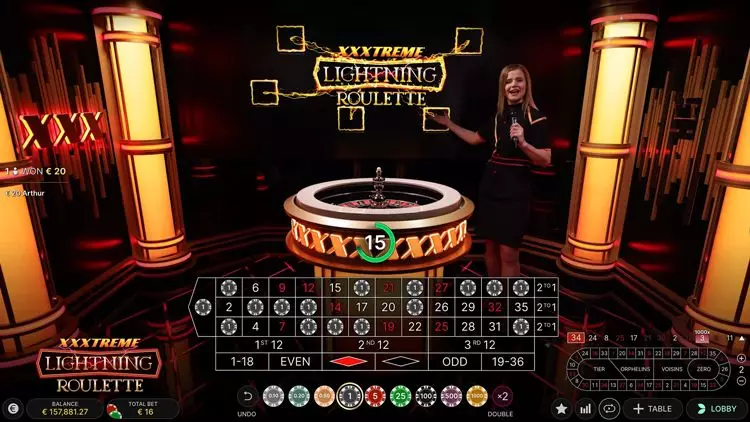
Capturing the Live Broadcast
Before a game reaches a player's device, the live action must first be prepared.
Professional cameras capture:
- The dealer.
- The gaming table.
- Cards or roulette wheel.
- Table layout.
- Game activity.
These video feeds are then processed for live transmission using specialised broadcasting equipment.
Delivering the Stream
Once the video has been captured, it is transmitted through professional streaming systems.
The broadcast is processed and delivered across the internet to connected players, allowing everyone at the table to view the same live event.
Modern streaming systems are designed to support:
- Continuous live broadcasts.
- Stable video quality.
- Efficient data delivery.
- Multiple connected players.
- Reliable viewing across different devices.
This process happens continuously throughout every live gaming session.

|
For the best viewing experience, use a stable internet connection whenever possible. A reliable connection can help maintain smooth video playback during live dealer games. |
Why Low Latency Matters
A key goal of live casino streaming is to minimise delay between the action in the studio and what players see on screen.
Low-latency streaming helps ensure that:
- Dealer actions appear promptly.
- Betting periods remain synchronised.
- Game information updates quickly.
- The live experience feels responsive.
Although a small delay is normal in any online broadcast, professional streaming systems are designed to keep this to a minimum.
Supporting Different Live Casino Games
The same streaming technology supports a wide variety of live dealer games.
Whether broadcasting a roulette wheel, a blackjack table, a baccarat game, or a presenter-led game show, the underlying streaming process remains largely the same.
The main differences involve camera positioning and the specific equipment shown during the broadcast.
Comparing Live Casino Games
Although each live dealer game has unique equipment, all rely on live streaming technology to reach players.
|
Live Casino Game |
Primary Equipment |
Streaming Focus |
|
Roulette wheel and ball. |
Clear views of the wheel, dealer, and table. | |
|
Playing cards and blackjack tables. |
High-quality card visibility and dealer presentation. | |
|
Playing cards and a baccarat table. |
Consistent coverage of card dealing and table activity. | |
|
Playing cards and poker tables. |
Multiple player positions and card handling. | |
|
Wheels, bonus devices, and presenter-led equipment. |
Dynamic camera coverage of presenters and interactive game elements. |
Although camera layouts vary, each game depends on reliable video broadcasting to deliver the live experience.
Why Streaming Technology Is So Important
Without professional streaming systems, live casino games would not be possible.
Streaming technology connects dealers, gaming equipment, and players in real time while allowing large numbers of participants to watch the same game simultaneously. Combined with production teams, broadcasting software, and game integration systems, it forms one of the core technologies behind modern live dealer gaming.
Understanding this process provides valuable insight into how live casino games reach players around the world.
Experience Live Streaming at Prime Casino
At Prime Casino, live casino games are powered by professional streaming technology that delivers real dealer action directly to compatible devices. From capturing live footage in the studio to transmitting high-quality broadcasts across the internet, every stage of the streaming process helps create a connected and immersive live casino experience. Understanding how these systems work offers a greater appreciation of the technology behind every live dealer game.
|
Before starting a live casino session, choose a comfortable playing environment with a reliable internet connection and set clear limits for both your time and spending. Responsible gambling helps keep the experience enjoyable and balanced. |
FAQ
What is live casino streaming?
Live casino streaming is the real-time transmission of dealer-led casino games from a professional studio to players over the internet.
How are live casino games broadcast?
Professional cameras capture the live action, while broadcasting systems process and deliver the video stream to connected players.
Why is low latency important?
Low latency helps minimise delays between the action in the studio and what players see on their screens, creating a more responsive live experience.
Does every live casino game use the same streaming technology?
The core streaming technology is similar across most live dealer games, although camera layouts and production requirements vary depending on the game.