Published: 15 Nov 2025 | Updated: 16 Dec 2025


Have you ever watched the ball bounce around an American Roulette wheel and wondered, “Is this game really fair, or could something be off?”
It’s a natural question — especially when you're playing online roulette, switching between immersive live roulette sessions, or comparing different platforms when choosing a trustworthy online casino.
This guide covers:
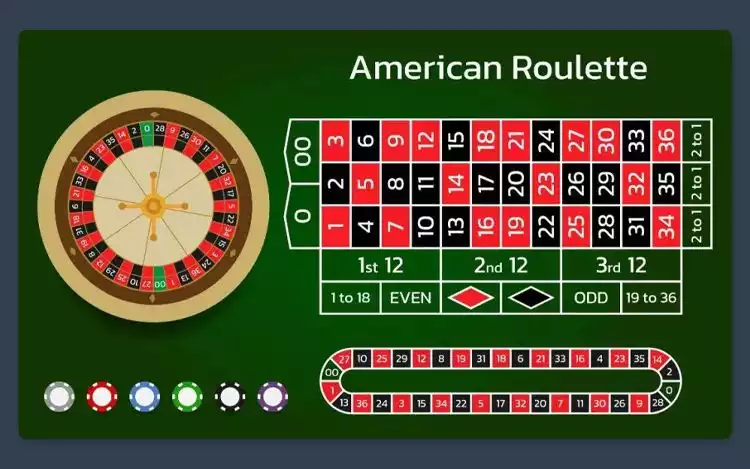
- How American Roulette normally works
- What a “rigged” roulette game actually means
- The 4 key signs of a possibly unfair game
- The 4 steps to verify fair play
- Misleading indicators that can appear suspicious
- What to do if you suspect manipulation
- Why regulated casinos almost never rig their games
American Roulette is widely available across both land-based settings and digital platforms, including a broad range of modern table games and streamed live casino formats. Understanding how fairness works helps you avoid questionable operators and choose safer, regulated environments.
While rigged roulette is extremely rare in properly regulated casinos, unlicensed or unknown operators can pose risks. Learning how to spot signs of unfair play helps you stay safe, make informed decisions, and avoid potentially dangerous environments.
|
Disclaimer: This content is for educational and informational purposes only. It does not promote gambling or suggest outcomes. Results in all casino games, including roulette, are random. Players should only use UK-licensed platforms and play responsibly. 18+. For safer play advice, visit BeGambleAware.org |
4 Signs an American Roulette Game Might Be Rigged
Here are four key warning signs that a roulette environment may be unsafe or potentially unfair:
1. Operator uses no licence or a suspicious one
Unverifiable licences or regulators you’ve never heard of can be major indicators of an untrustworthy vendor — even if the platform offers appealing casino promotions or welcome bonuses. Always prioritise licensing before incentives.
2. No evidence of certified RNG auditing
Legitimate roulette games undergo independent testing. Missing or vague RNG information should be taken seriously.
3. A game appearing only on one questionable platform
If a unique roulette title is found only on a low-profile website, it likely hasn’t been reviewed broadly or audited by reputable sources.
4. Missing rules or inconsistent payout tables
A trustworthy game makes payout rules, house edge details, and betting options clear and easily accessible — just as a sound roulette strategy relies on understanding the underlying odds.
4 Steps to Verify Fair Play Before You Bet
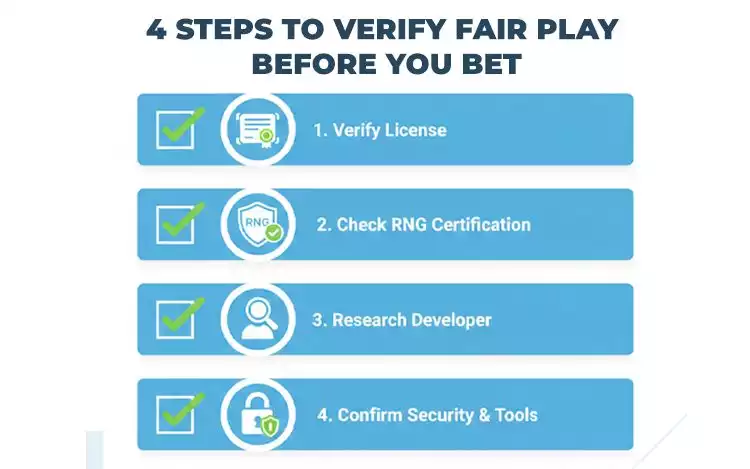
Before engaging in play, perform these essential checks to ensure the game and operator are properly verified:
1. Verify the operator’s licence with the official regulator
Use the issuing regulator’s database (UKGC, MGA, Gibraltar, New Jersey DGE) to confirm that the licence is genuine and active.
2. Confirm third-party RNG certification
External audits by eCOGRA, GLI, iTech Labs, or BMM validate that digital roulette outcomes remain random and unbiased.
3. Research the game developer
Trusted studios undergo mandatory testing and regulatory review, while lesser-known developers may operate without oversight.
4. Check for website security and responsible gambling tools
Secure casinos implement SSL encryption and offer tools like deposit limits. You can also refer to the site’s resources on safe gaming for guidance.
Once these steps are complete and you’ve confirmed that your casino is properly licensed, you can play with more confidence — whether on a mobile app or desktop browser. However, even legitimate platforms can sometimes appear “suspicious” due to random outcomes — which brings us to the next section.
Common Misconceptions of a Rigged Play
Even after completing all four verification steps and confirming that you’re playing on a fully licensed, audited platform, it’s natural to notice patterns or moments that seem suspicious. Random outcomes can still produce streaks or unusual spin behavior that may look “rigged,” especially during longer play sessions. However, in regulated environments, these occurrences are almost always the result of normal randomness, not manipulation.
The following examples highlight common misconceptions that can make fair games appear unfair — and why these signs alone shouldn’t be treated as proof of rigging.
1. Unusual repetition of winning pockets
Excessive repetition or unlikely clustering across long sessions can sometimes indicate a flaw or lack of proper auditing.
2. Ball physics that behave unnaturally
On physical wheels, consistent drop points, strange bounce behavior, or unnatural trajectory patterns can raise concerns.
3. Digital wheels with glitches or jump-cuts
Lagging animations, snap-to-number outcomes, and unstable spin visuals suggest poor software quality or manipulated results.
Random sequences can appear unusual, but this does not indicate rigging. UKGC-licensed operators undergo regular testing by independent bodies such as eCOGRA to ensure fairness.
What to Do If You Suspect a Rigged Game
If something feels off, it’s important to act quickly and protect yourself. Here’s how:
1. Stop playing immediately
The first and most important step is to halt your session. Continuing to bet only exposes you to more risk.
2. Capture evidence if possible
Take screenshots, record videos, or note the spin history. This helps when reporting issues to the casino or regulator.
3. Contact the casino’s support team
Ask for an explanation or clarification. Reputable casinos respond quickly and provide documentation if needed.
4. Report the issue to the appropriate authority
If concerns remain, file a complaint with the issuing regulator. You may also consider self-exclusion tools like GAMSTOP if you feel unsafe.
Why Properly Regulated Casinos Rarely Use Rigged Games
While concerns about rigged roulette are understandable, it’s important to recognise that regulated casinos operate under strict rules that make manipulation both impractical and highly risky.
Here’s why:
1. Rigging games risks licence suspension
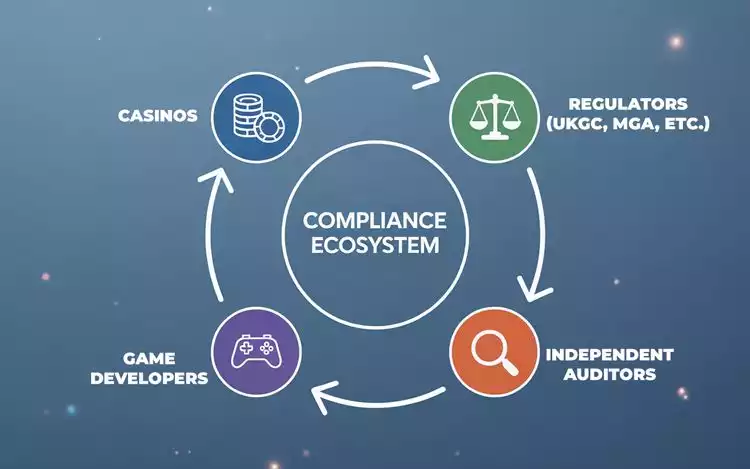
Regulators enforce strict fairness rules. Any manipulation of outcomes can result in heavy fines, licence loss, or permanent bans from operating. No legitimate casino would jeopardize its entire business.
2. Independent audits ensure the randomness of results
Roulette games — both digital and live — undergo scheduled third-party testing. Auditors check for statistical anomalies, malfunctioning wheels, and proper RNG behaviour, making unfair practices extremely unlikely.
3. Reputable casinos rely on trust to retain players
Fair play is essential for maintaining customer loyalty. If players suspect rigged results, they simply leave — hurting the casino’s profits and reputation.
4. Developers, not casinos, generate RNG results
In most online environments, the game provider (Evolution, Playtech, etc.) controls and audits the RNG, not the casino. Manipulation would require collusion across multiple regulated entities, which is nearly impossible.
5. Fraud isn’t worth the financial or legal risk
Regulated casinos earn consistent revenue from the house edge. Gaining a tiny short-term advantage by rigging a game isn’t worth the long-term devastation of being caught.
Conclusion: Stay Safe and Protect Your Play
Rigged American Roulette is rare in regulated environments, but knowing what to look for helps you avoid questionable operators. By understanding the 7 warning signs and following the 5 steps to verify fairness, you can protect yourself and maintain a safe gaming experience.
Key Takeaways
- Unregulated casinos present the highest risk
- Missing rules, unclear RNG details, or unverifiable licences are red flags.
- Licensing and developer transparency are essential
- Random streaks don’t equal rigging — trust verified audits.
- Use responsible gambling tools and stop immediately if anything feels suspicious
To ensure a safer experience, always choose reputable platforms like Prime Casino.
|
Fair Play Reminder Certified RNG roulette and live tables at UKGC-licensed casinos follow strict auditing standards. No checks, tools, or observations can influence outcomes. Play responsibly. Visit BeGambleAware.org. 18+ |