Published: 4 Nov 2025 | Updated: 4 Dec 2025


Ever noticed how small decisions at the roulette table can quietly shape your results?
European roulette is widely considered the fairer version of the game thanks to its single-zero wheel, yet even experienced players often make avoidable errors that affect their enjoyment and bankroll management.
Whether you play live roulette or RNG-based versions, these mistakes often stem from the same source — misunderstanding how probability and discipline work together. This guide explores the most common strategic, emotional, and procedural errors, helping you better understand how to play within limits and appreciate roulette’s true nature as a game of chance.
You’ll learn about:
- Strategic and mathematical errors players frequently overlook.
- Emotional and behavioural habits that influence decision-making.
- Procedural mistakes linked to betting order and etiquette.
- Responsible ways to enjoy European roulette in both online casino and live settings.
|
Disclaimer: This content is for educational and informational purposes only. It does not promote gambling or suggest outcomes. Results in all casino games, including roulette, are random. Players should only use UK-licensed platforms and play responsibly. 18+. For safer play advice, visit BeGambleAware.org. |
Understanding the Basics: Where Most Mistakes Begin
The most common beginner error is misunderstanding how European roulette works — or treating it like a solvable pattern rather than a random table game.
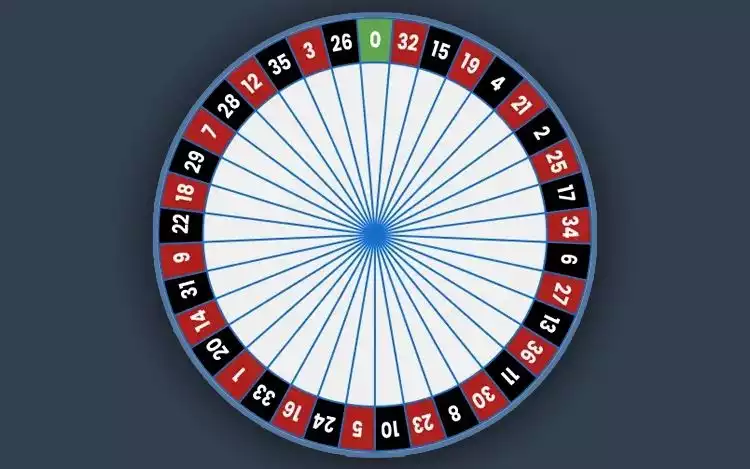
European roulette follows a clear mathematical structure: 37 pockets (numbers 1–36 plus one green zero). That design gives a consistent 2.7% house edge — it doesn’t change based on patterns, “hot numbers,” or “lucky streaks.”
In both online and live dealer formats, outcomes are purely random. Online versions use UKGC-certified RNG systems, while live tables rely on physical randomness verified by independent regulators. Players who chase sequences or treat roulette like a skill-based puzzle often experience frustration or overconfidence.
The fix is simple: understand the structure before you play. Knowing your table type, betting options, and pacing helps you make calm, informed choices and enjoy roulette for what it is — a structured game of chance, not prediction.
Strategic Errors: Misusing Systems and Ignoring Odds
The most common mistake among new and seasoned players alike is believing that betting systems can overcome the house edge. Systems such as Martingale, Fibonacci, or Labouchère are designed to manage bankroll flow — not to change probability.
As explored in Are There Strategies Unique to European Roulette?, these methods may help players pace wagers or track risk exposure, but the underlying odds never shift. No matter how long you play, the house retains its built-in 2.7% advantage.
Another overlooked mistake involves misunderstanding La Partage, a French-origin rule found at certain European tables. When the ball lands on zero, half of your even-money bet is returned — effectively cutting the house edge on those bets to about 1.35%. Ignoring or misunderstanding this rule means missing one of the few genuine mathematical advantages available.
Before applying any strategy, check the table rules and game info screen. Always confirm whether La Partage applies, and remember: no betting sequence can erase the house edge — it can only influence how fast you reach your limit.
Emotional Mistakes: Chasing Losses and Overconfidence
Emotion, not math, causes the majority of costly mistakes in roulette.
The most common behavioural pitfall is chasing losses — increasing bets after a losing streak to “catch up.” This almost always leads to faster bankroll depletion and greater frustration.
Equally risky is overconfidence after short-term wins. Believing you have a “system” or that intuition can predict outcomes leads to inconsistent play. As discussed in [Popular Myths About European Roulette], every spin is independent; previous results have absolutely no effect on the next one.
The solution lies in discipline and boundaries. Set a session limit, a loss cap, and a pre-determined stake range. Walk away or take a break after a losing streak — emotional resets protect your bankroll and your mindset.
To reinforce safe habits, explore the responsible gaming tools available for UK players, such as deposit limits, session reminders, and voluntary time-outs.
Procedural and Etiquette Mistakes: Timing, Bets, and Conduct
Etiquette mistakes are often overlooked but can disrupt both live and digital games.
Common procedural errors include:
- Placing chips after the dealer announces “no more bets.”
- Touching or moving chips mid-round during live play.
- Misunderstanding neighbour or section bets, especially on European wheels that include racetrack layouts.
At land-based casinos, these habits can delay rounds or lead to disputes. Online, the same mistakes happen digitally — clicking too late or confirming the wrong wager due to misreading on-screen timers.
Before playing, take a moment to review the table layout and timing indicators. If you’re playing through the mobile app or live interface, wait until the dealer signals it’s safe to place chips. Respecting timing and table etiquette makes the experience smoother for everyone and demonstrates awareness of proper play.
Risk Management Mistakes: Misjudging the Long-Term Odds
Poor bankroll management remains the most expensive and preventable mistake in roulette.
As shown in The Impact of the House Edge in European Roulette, every spin is designed to return slightly less than wagered over time. That means extended sessions will eventually mirror the house edge, no matter how well you pace bets.
The key is not eliminating losses — but controlling their impact. Set clear spending limits and use stop-loss tools where available. Avoid “loss aversion bias” — the tendency to play longer just to recover past results.
Some players also misunderstand casino promotions or bonuses tied to roulette play. Always read the terms carefully; many offers apply primarily to slot games or contribute only a small percentage toward wagering requirements. Responsible play means understanding both the math and the fine print before accepting any bonus.

Failing to Adapt to Different Game Formats
Another overlooked mistake is treating all roulette formats the same. Modern roulette comes in several forms — live dealer tables, RNG-based games, and mobile interfaces — each with distinct pacing and interaction styles.
As covered in Live European Roulette vs. RNG: Which Is Better?, live tables simulate traditional casino play with authentic timing, while RNG versions provide faster spins ideal for structured sessions. Mobile play, meanwhile, demands attention to timing prompts and bet confirmation screens to prevent accidental wagers.
The best approach is to adapt: test different formats, understand their rhythm, and choose the one that supports your concentration and comfort. Exploring structured techniques via the best roulette strategy guide and viewing roulette as a learning process helps you stay in control and build confidence over time.

Conclusion
Most roulette mistakes stem from misunderstanding — not luck.Whether it’s misusing systems, chasing emotions, or ignoring table rules, each error arises from losing sight of the game’s core truth: roulette is built on probability, not prediction.
By recognising these patterns early and adjusting expectations, players can enjoy roulette as the structured, chance-driven experience it’s meant to be.
Key takeaways:
- Understand that every spin is independent — no strategy can overcome odds.
- Manage emotions and bankroll to prevent loss-chasing.
- Practise etiquette and learn table structures before joining live play.
- Review rules like La Partage and confirm house edge details before you start.
- Focus on long-term enjoyment, not short-term results.
For regulated gameplay and fair tables, visit Prime Casino — a licensed hub for safe and responsible European roulette experiences.