Published: 17 Nov 2025 | Updated: 27 Jan 2026

How can you determine whether the financial transactions you make in a regulated online casino environment are handled securely?
As more UK players use real-time gaming platforms, understanding how payments are processed, encrypted, and monitored becomes central to managing risk and making informed decisions. While no digital transaction is entirely without exposure, UK-licensed live casinos operate within a framework designed to minimise vulnerabilities and maintain robust consumer protections.
This article evaluates:
- How live casino payment processing functions
- The role of SSL/TLS encryption in securing transactions
- Differences between common payment methods
- How UK licensing governs financial oversight
- Player actions that strengthen individual payment security
|
Disclaimer: This content is provided for educational purposes only and does not constitute legal, financial, or regulatory advice. While encryption and regulation reduce risk, no online transaction is completely risk-free. Players should remain vigilant and use available security controls. 18+ | Play Responsibly | For support, visit BeGambleAware.org. |
Evaluating How Live Casino Payment Processing Protects Financial Data
Payment processing in a live dealer casino involves several controlled steps that authenticate the player, validate the payment method, and route the transaction through secure channels. These procedures are designed to reduce exposure to unauthorised access, fraud, and data interception.
How Payment Requests Are Authenticated
Before initiating a deposit or withdrawal, regulated platforms verify account credentials and, where applicable, apply two-factor authentication. This adds an extra layer of confirmation, ensuring the request originates from the authorised account holder.
Segregated Systems for Deposits and Withdrawals
Operators use separate internal systems for handling deposits and withdrawals. This reduces the risk of cross-contamination between stored information and live processing flows. Each transaction must pass through:
- A secure gateway provided by an approved payment processor
- Internal anti-fraud screening
- Banking or card network validation
These steps function collectively to protect both the operator and the player from unauthorised transactions.
Maintaining Data Integrity During Real-Time Play
Transaction data stored during gameplay must remain accessible yet secure. Even when switching from payment screens to game interfaces such as real-time tables or slots, sensitive financial information is not exposed to game software. Instead, the payment system operates independently from the live gaming environment.
Understanding the Role of SSL/TLS Encryption in Transaction Security
Encryption is a central mechanism for safeguarding payment data. UK-licensed operators must apply encryption across all services where data is transmitted between the player and the platform.
How SSL/TLS Encryption Works
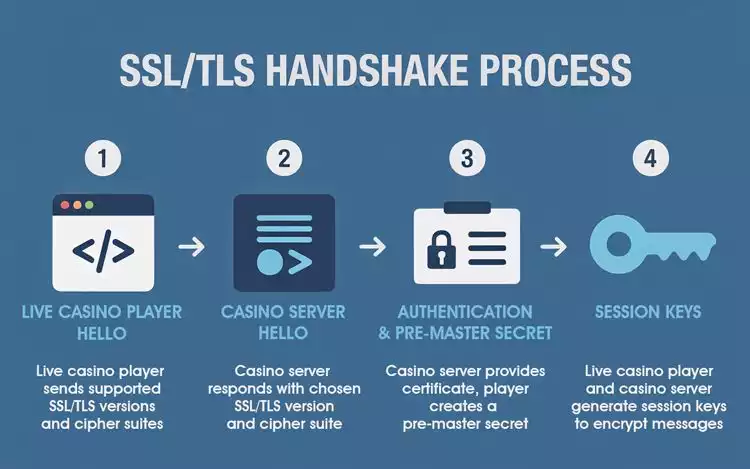
SSL/TLS converts personal and financial information into unreadable code during transmission. Only the operator’s secure server can decrypt that information. This prevents interception attempts from accessing the underlying data. Key elements include:
- Encrypted communication channels
- Certificate validation to confirm server legitimacy
- Session-level protection that persists throughout active use
If you access the live casino via mobile play, modern browsers apply the same encryption standards as desktop devices.
Why Certificate Validation Matters
Operators must maintain valid security certificates. A valid certificate ensures:
- You are connected to the genuine operator server
- Encrypted channels are active and current
- Older, less secure encryption protocols are not in use
Certificate issues—warnings, expired certificates, or mismatched domains—should be treated as clear signals to pause and reassess before entering payment details.
Comparing Payment Methods and Their Security Profiles
Not all payment methods operate in the same way, and understanding their security characteristics helps you make evidence-based decisions.
Debit Cards
Debit card payments route through card networks (Visa, Mastercard), applying multi-factor fraud controls. Benefits include:
- Familiar authentication processes
- Monitoring through your bank’s mobile app
However, card payments can expose bank details if used on unregulated platforms, reinforcing the importance of licensing checks.
E-Wallets (e.g., PayPal, Skrill)
E-wallets serve as intermediaries between your bank and the operator. Security features typically include:
- No sharing of bank details with the operator
- Independent two-factor authentication
- Rapid cancellation options if compromised
E-wallets may provide additional fraud-monitoring tools, offering a layered approach to payment security.
Bank Transfers
Bank transfers involve direct interaction with your bank’s secure environment. They typically include:
- Strong authentication requirements
- High levels of bank-side encryption
- Slower processing times due to additional checks
While these transfers tend to follow stringent security protocols, they may take longer to settle, which does not influence gameplay or outcomes.
Understanding the Risks Across Methods
Regardless of payment method:
- Avoid storing card details on shared devices
- Monitor your statements for irregular activity
- Ensure any payment method used is supported and verified by the platform
These steps further mitigate risk and promote secure usage habits.
How UK Licensing Strengthens Oversight of Financial Transactions
UKGC licensing introduces formal obligations for protecting player funds, ensuring payment transparency, and maintaining compliance across all financial operations.
Secure Handling of Player Funds
UK-licensed operators must classify player funds in accordance with UKGC-defined protection levels. Although protection levels vary, the classification creates enforceable standards for how deposited funds are handled and maintained.
Mandatory Anti-Fraud and Anti-Money-Laundering Controls
Operators must monitor transactions to detect unusual patterns. These controls protect both players and the platform. Monitoring may include:
- Transaction velocity checks
- Behavioural analysis
- Verification prompts during unusual account activity
These checks are operational requirements rather than reflections of player intent.
Transparency Requirements
Operators must provide clear information on:
- Payment methods supported
- Processing times
- Fees, if applicable
- Withdrawal conditions
This allows players to evaluate transaction practices without ambiguity. For broader safety considerations, players can access responsible gambling tools to manage their activity responsibly.
Player-Level Practices That Reduce Payment Risk
While regulation and encryption form the core of payment security, individual actions significantly influence the overall risk profile of any transaction.
Device and Network Controls
Before making payments:
- Use secure, private Wi-Fi or mobile data
- Update operating systems and browsers
- Avoid entering financial information on shared devices
These steps reduce exposure to malware and interception.
Account Management Behaviours
Effective account security relies on:
- Strong password hygiene
- Avoiding password reuse
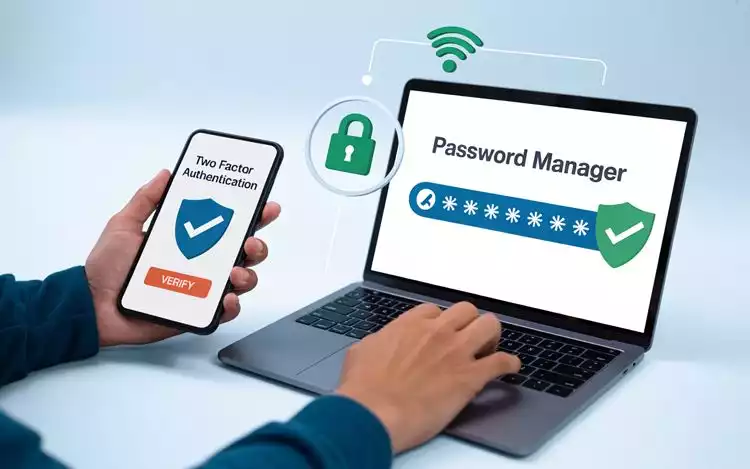
- Using two-factor authentication where offered
- Reviewing account history regularly
Regular reviews help identify inconsistencies early, enabling prompt action.
Awareness Around Incentives
If exploring player incentives, verify that the communication originates directly from the operator. Phishing attempts may imitate promotional emails or messages. Scrutinise sender addresses and avoid entering payment details through external links.
Conclusion
Understanding how transactions function within UK-licensed live casinos allows you to assess risk realistically and engage with financial processes more confidently. Encryption, regulated oversight, and structured payment systems form the foundation of secure transactions, while informed player behaviour strengthens these protections. No system eliminates risk entirely, but evidence-driven decisions can significantly reduce your exposure when interacting with real-time gaming platforms.
Key takeaways:
- SSL/TLS encryption protects data during transmission
- Payment methods differ in their security characteristics
- UKGC licensing imposes strict obligations on payment transparency and fund handling
- Player-level controls are central to reducing transaction risk
- Staying informed strengthens your ability to identify and avoid potential threats
For further information about secure, regulated environments, visitPrime Casino.
|
Important Reminder Gambling should be treated as entertainment only. Use available tools to manage time and spending. 18+ only. For safe gaming advice, visit BeGambleAware.org. |