Published: 10 Dec 2025 | Updated: 28 Jan 2026


Is there a real difference between playing French Roulette online and playing it in a physical casino — or is it simply the same game in a different setting?
The short answer is that the rules, odds, and probabilities remain identical, but the experience changes meaningfully depending on where and how the game is played. Accessibility, pacing, cost, social interaction, and responsible play tools all influence how French Roulette feels in practice, even though outcomes remain entirely random.
In this article, we examine:
- How online and land-based French Roulette compare in terms of access, cost, and gameplay flow
- Where differences in immersion and player psychology emerge
- How fairness, regulation, and responsible gambling tools differ by format
- Why experience — not strategy — is the key distinction between environments
Players exploring online roulette, live dealer tables, or physical casino floors can use this comparison to better understand how format influences engagement without altering the underlying maths.
|
Disclaimer: This content is for educational and informational purposes only. It does not promote gambling or imply that players can influence outcomes. All roulette results are random. Play only on UK-licensed platforms and gamble responsibly. 18+. For support, visit BeGambleAware.org. |
Summary: Online vs Land-Based French Roulette
Before exploring the details, the table below summarises the most significant experiential differences between online and land-based French Roulette at a glance.
|
Factor |
Online French Roulette |
Land-Based French Roulette |
|
Accessibility |
24/7 via desktop & mobile |
Limited to licensed venues |
|
Immersion |
Moderate–High (HD/live dealers) |
Very high (physical ambience) |
|
Cost & Entry |
Lower minimums, no travel |
Higher table mins + travel |
|
Fairness System |
RNG or live dealer systems |
Physical wheel & croupier |
|
Game Pace |
Faster sessions |
Slower, structured rounds |
|
Social Interaction |
Chat-based |
Face-to-face |
|
Regulation |
Online licensing & audits |
Venue-based inspections |
|
Responsible Tools |
Automated player controls |
Manual staff intervention |
Gameplay Mechanics, Access, and Cost
Although French Roulette rules remain consistent across environments, how the game is delivered changes the rhythm and accessibility of play.

Gameplay Mechanics
Online French Roulette is available in two formats: RNG-driven table games and live dealer games streamed from professional studios or casino floors. Both formats adhere strictly to French Roulette rules and payout structures, including La Partage where applicable.
Live dealer games are commonly found within live roulette, combining physical wheels with digital interfaces. Land-based roulette relies exclusively on in-person croupiers and physical equipment, which naturally slows the pace of each round.
In all cases, outcomes remain independent and random.
Accessibility and Availability
Online play removes geographic and time-based restrictions. Players can access French Roulette via desktop or through the Prime Casino mobile app, allowing shorter or more flexible sessions.
Land-based French Roulette is limited to licensed venues, often requiring travel, adherence to opening hours, and sometimes dress codes. These barriers tend to reduce session frequency while increasing session duration.
Cost Structure and Entry Thresholds
Cost differences are among the most noticeable contrasts between formats.
Online tables typically offer:
- Lower minimum bets
- No travel or venue-related expenses
- Optional incentives via promotions (subject to terms)
Land-based casinos generally feature higher table minimums alongside indirect costs such as transport, tipping, and hospitality pricing.
These factors affect affordability but do not alter odds or house edge.
Experience, Immersion, and Player Psychology
Beyond mechanics and access, the sensory and social environment plays a significant role in shaping how French Roulette feels to players.
Sensory Experience
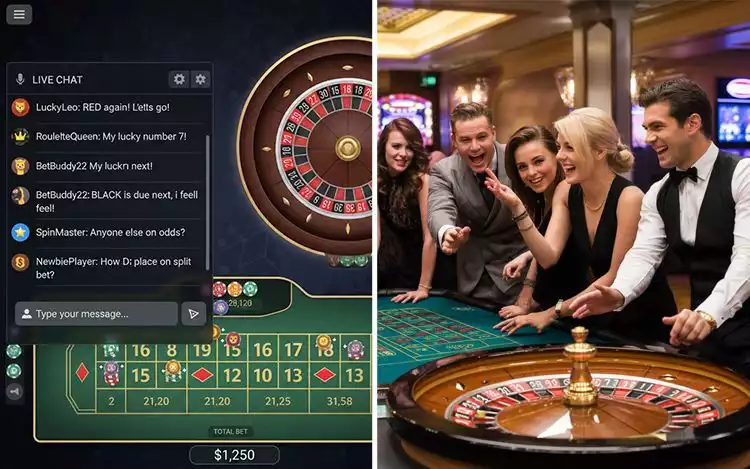
Land-based casinos deliver strong sensory engagement through ambient noise, physical chips, and live dealer interaction. This environment often heightens emotional involvement.
Online platforms replicate immersion through HD video, multiple camera angles, and professional studio design. While different in nature, live dealer tables can still provide a compelling experience.
Social Dynamics
In physical casinos, players interact directly with dealers and fellow participants. This social reinforcement can extend play time and influence emotional engagement.
Online interaction is typically limited to chat functions. While present, it has less impact on pacing and decision-making.
Behavioural Flow and Pace
Online French Roulette generally moves faster, leading to more spins per hour. This can increase engagement but also requires stronger awareness of time and spend.
Land-based play introduces natural pauses — dealer calls, chip handling, and table etiquette — which slow gameplay and create reflective breaks.
Technology, Fairness, and Regulation
Regardless of format, French Roulette is governed by strict regulatory frameworks designed to protect players and ensure fairness.
Fairness Systems
Online platforms use RNG software tested by independent auditors or physical wheels broadcast via live streaming. Both methods produce unbiased outcomes when properly regulated.
Land-based casinos rely on mechanical integrity, wheel calibration, and surveillance rather than software certification.
Licensing and Oversight
Online French Roulette operates under recognised regulators such as the UK Gambling Commission, requiring compliance with fairness, security, and transparency standards.
Land-based casinos are licensed and inspected by national authorities, focusing on equipment, staffing, and operational controls.
Responsible Gambling Tools
Online play provides structured tools such as:
- Deposit and loss limits
- Reality checks and session timers
- Self-exclusion options via responsible gaming
Land-based environments depend more heavily on staff observation and player self-regulation.
Economic Rewards and Retention Models
Reward structures differ significantly between formats, even though they do not affect gameplay probabilities.
Online platforms typically offer loyalty systems, cashback, and tiered incentives tracked digitally.
Land-based casinos reward loyalty through complimentary services such as meals, accommodation, or event access.
Both models aim to encourage repeat engagement, not alter outcomes.
Hybrid and Future Trends
The distinction between online and land-based French Roulette continues to narrow. Hybrid live tables already combine physical dealers with global streaming access.
Emerging technologies such as VR and augmented reality are expected to further bridge the gap, enhancing immersion while preserving the same rules and probabilities.
Contextual Background: From Casino Floors to Digital Tables
French Roulette originated in European casinos, designed with player-friendly loss-mitigation rules. As online gambling expanded — particularly during periods of restricted physical access — the game transitioned online without changing its mathematical foundation.
What evolved was delivery and accessibility, not probability.
Conclusion: Experience Shapes Play, Not Outcomes
Online and land-based French Roulette are mathematically identical. The differences lie in how players access, experience, and manage the game, rather than in odds or control.
Key Takeaways
- Rules and probabilities remain constant across formats
- Online play prioritises accessibility, flexibility, and player tools
- Land-based play emphasises atmosphere and social engagement
- Faster online pacing requires greater self-awareness
- Responsible play principles apply equally in all environments
Players choosing between formats should focus on personal preference and comfort — not perceived advantage — when exploring French Roulette at licensed platforms such as Prime Casino.