Published: 13 Sept 2025 | Updated: 29 Sept 2026


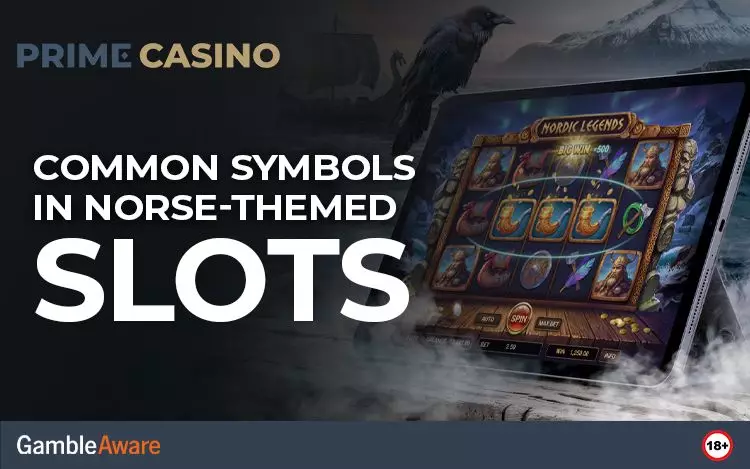
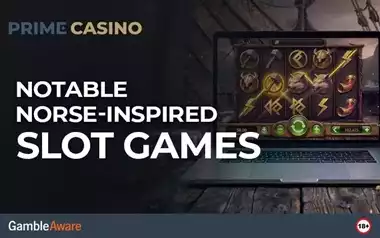
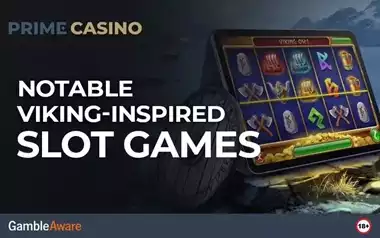
Norse mythology has inspired countless stories, games, and works of art, making it a natural fit for visually rich online slot design. At Prime Casino, Viking-themed slots often feature legendary gods, rune stones, mythical creatures, and Nordic landscapes that create a recognisable atmosphere while supporting a wide variety of gameplay styles.
Although every title has its own mechanics and artistic direction, many Norse-themed slots and online casino games share familiar symbols that help establish their distinctive identity.
What You'll Learn in This Guide:
- The role of Wild, Scatter, and Bonus symbols in Norse-themed slots
- Common visual motifs inspired by Viking mythology
- Examples of games featuring recognisable Norse imagery
- How thematic symbols contribute to game presentation
- Why mythology continues to influence slot design
- The importance of understanding individual game rules
Wild Symbols: From Odin to Ancient Runes
Wild symbols are a familiar feature across many online slots and often receive a thematic makeover in Norse-inspired games.
Rather than generic icons, developers frequently use legendary figures or symbolic objects that reinforce the mythology behind the game, like what you may see in games like North Guardians.
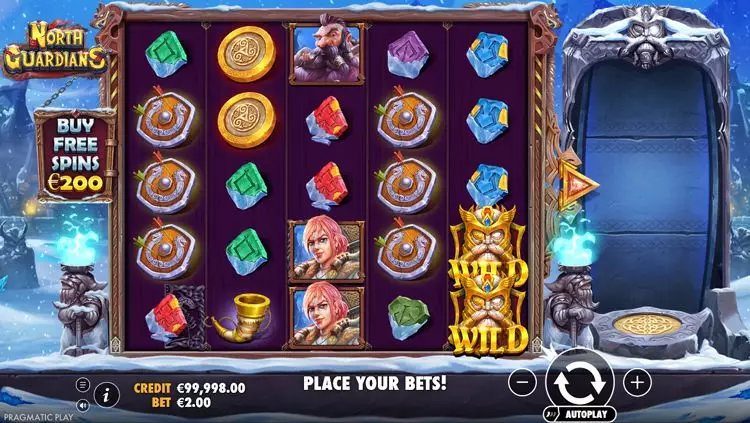
Depending on the game's design, Wild symbols may substitute for other symbols according to the game's rules or play a role in additional feature mechanics.
Scatter Symbols: Opening the Path to Bonus Features
Scatter symbols often reflect important elements of Norse mythology and can act as gateways to additional gameplay features.
Common thematic inspirations include:
- Rune stones
- Ancient relics
- Viking ships
- Mythical portals
- Legendary weapons
- Nordic artefacts
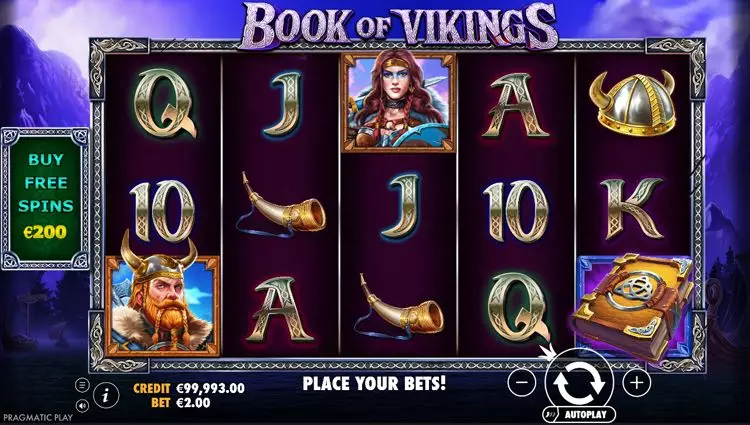
Games such as Power of Thor Megaways, Book of Vikings, and Vikings Go Berzerk incorporate mythology-inspired visual identities that support their feature presentation and overall atmosphere.
As always, the precise function of Scatter symbols depends on the individual game's rules.
|
Viking-themed slots often feature familiar symbols such as ravens, runes, axes, and Norse gods across different titles. Before playing, take a moment to review the game's paytable and information screens so you understand how those symbols function within that specific game. |
Bonus Symbols: Supporting Mythological Storytelling
Bonus symbols frequently serve as visual anchors for a game's narrative, drawing directly from Norse legends and Viking culture.
Some commonly used inspirations include:
|
Symbol Inspiration |
Typical Narrative Role |
|
Odin's artefacts |
Mythological progression |
|
Thor's hammer |
Theme reinforcement |
|
Viking longships |
Adventure sequences |
|
Ancient books |
Discovery and exploration |
|
Rune stones |
Collection mechanics |
|
Mythical relics |
Bonus feature presentation |
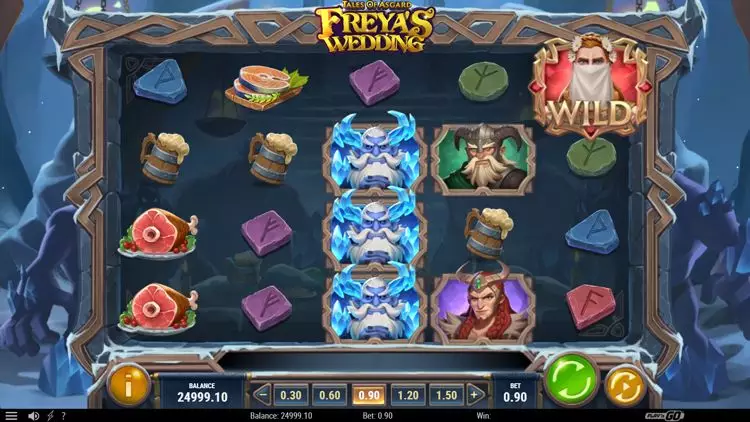
Titles such as Book of Vikings and Tales of Asgard: Freya's Wedding demonstrate how mythology-inspired artwork can help create a cohesive visual experience.
H2: Recognisable Norse Icons Across the Genre
One of the reasons Viking-themed slots remain visually distinctive is the repeated use of symbols that are instantly associated with Norse mythology.
Common examples include:
|
Symbol |
Common Association |
|
Odin |
Wisdom and leadership |
|
Thor |
Thunder and strength |
|
Loki |
Trickery and mythology |
|
Freya |
Norse legend; the Queen |
|
Valkyrie |
Warrior mythology |
|
Raven |
Nordic symbolism |
|
Rune stones |
Ancient writing |
|
Battle axe |
Viking culture |
|
Longship |
Exploration |
|
Shield |
Warrior tradition |
Games including Vikings, Vikings Go Wild, Viking Runecraft, and North Guardians all incorporate recognisable Norse-inspired visual themes in different ways.
Usually, the thematic symbols are used to represent the high-value symbols, while symbols like rune stones are used to represent the lower-value symbols.
Why Symbol Recognition Matters
Consistent visual themes help create a strong identity for a game while making mythology-inspired titles instantly recognisable to players familiar with Viking folklore.
Developers often build around:
- Legendary gods
- Ancient runes
- Nordic landscapes
- Mythological creatures
- Historic weapons
- Viking settlements
- Longships
- Symbolic artefacts
These design choices contribute to atmosphere and storytelling but do not influence the random nature of gameplay outcomes.
Norse Mythology as Visual Inspiration
Norse-themed slots continue to stand out through their memorable artwork, legendary characters, and iconic symbolism. Whether inspired by Odin, Thor, Loki, or ancient Viking traditions, these games demonstrate how mythology can shape distinctive visual identities across a wide range of slot designs.
At Prime Casino, understanding the role of these symbols can help players better appreciate the creativity behind Viking-inspired games while recognising that each title has its own unique mechanics, features, and presentation.
|
Mythology-inspired themes and immersive visuals can make slot games especially engaging, but it's important to approach every session responsibly. Set personal spending and time limits before you play, familiarise yourself with the game's rules, and remember that slot games are forms of entertainment with outcomes determined by chance. |
FAQ
What symbols commonly appear in Norse-themed slots?
Many Norse-themed slots feature Odin, Thor, Loki, Valkyries, rune stones, ravens, Viking ships, battle axes, shields, and other mythology-inspired symbols.
Do all Viking-themed slots use the same Wild symbols?
No. Different developers use different artistic interpretations, with Wild symbols ranging from gods and runes to themed objects and legendary artefacts.
Are rune symbols unique to Viking-themed slots?
Runes are especially common in Norse-inspired games because they reflect the historical and mythological setting, although individual implementations vary by title.
Do thematic symbols affect slot outcomes?
No. While symbols contribute to a game's presentation and may trigger features according to its rules, all outcomes remain determined by chance and are not influenced by the theme itself.